Upgrade Your Home With Qualified Architecture Assistance
Optimizing a home through professional architecture services involves more than just visual elements. It involves a deep understanding of usable design and state construction regulations. Engaging an experienced architect can address everyday obstacles while strengthening property value. The process is strategic and exhaustive, guaranteeing that every detail harmonizes with the homeowner's vision. Yet, many homeowners encounter challenges to progress through this journey effectively. What steps can they take to cement a successful partnership?
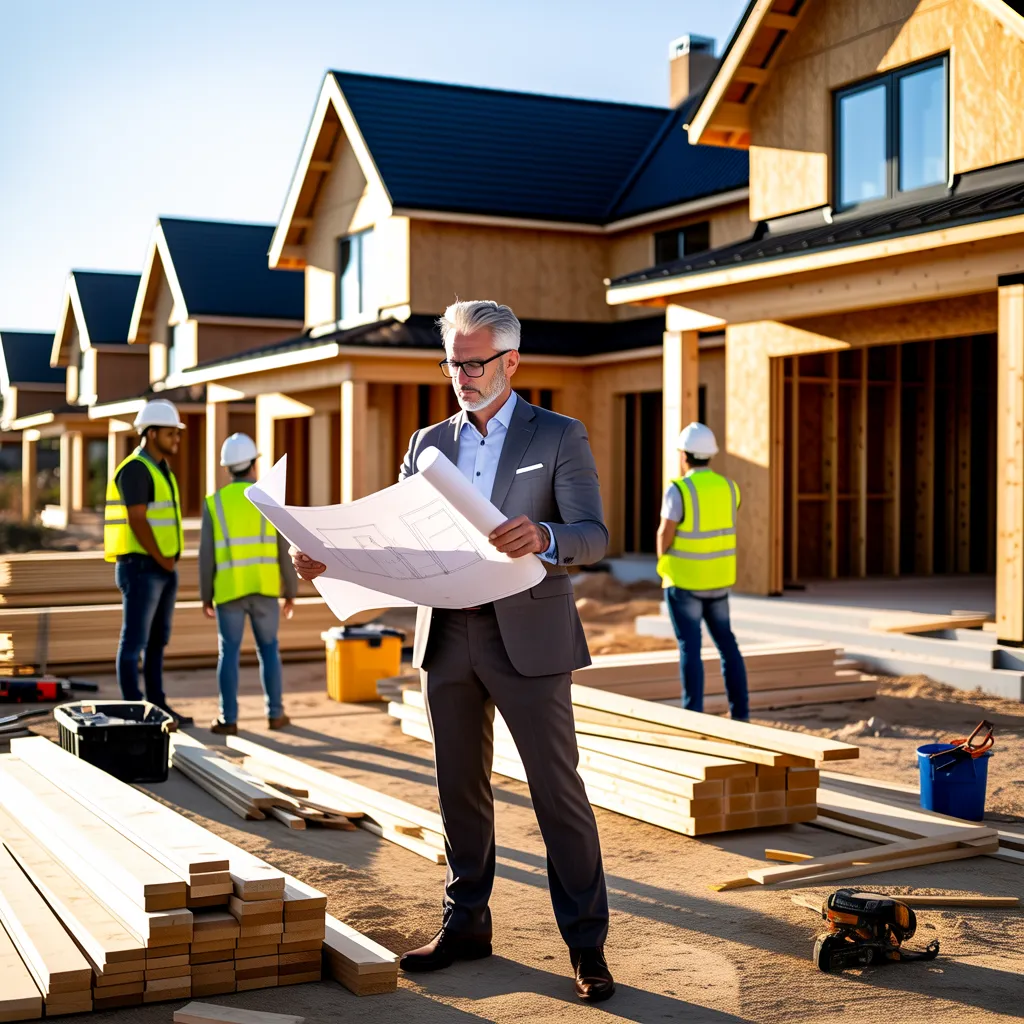
Everyday Housing Design Struggles and Methods Architects Give Support
Why is home design so taxing for numerous homeowners? The difficulty of aligning aesthetic choices with functional demands often overwhelms them. Homeowners regularly contend with spatial constraints, financial constraints, and regulatory standards, rendering the design process more complex. Additionally, many are short of the technical knowledge required to manage structural issues and building codes.
Architects execute an indispensable role in alleviating these challenges. Their training prepares them to work through the intricacies of design, ensuring that a homeowner's vision matches with realistic facts. Architects can provide creative answers to optimize space while adhering to safety standards. They also assist in creating context information integrated designs that reflect the occupant's manner. By offering understanding into materials and construction methods, architects help streamline the decision-making activity. Ultimately, their skill converts a potentially daunting project into a cooperative undertaking, fostering a well-balanced balance between imagination and practicality in home design.
Advantages of Collaborating With a Professional Architect
Collaborating with a skilled designer enhances the house design journey by combining specialized insight with the client's vision. Architects offer a broad range of expertise in design principles, construction regulations, and green building techniques, ensuring that the project not only satisfies aesthetic goals but also adheres to requirements. Their capacity to imagine and communicate sophisticated thoughts assists with translating theoretical ideas into tangible designs.
Additionally, architects can deliver innovative approaches to design challenges, refining usability and arrangement. They also handle the intricacies of the construction phase, working with contractors and suppliers to guarantee timelines and budgets are maintained. This professional guidance minimizes potential errors and alleviates the stress connected with home remodeling or building. In the end, engaging with an architect results in a unified, well-designed space that reflects the homeowner's character while increasing overall home value.
What Are the Critical Stages in the Architectural Process?
How does the architectural process develop from concept to finish? The journey starts with an first meeting, where the designer and client talk about objectives, needs, and budget. This phase is crucial for establishing a clear vision. Next, the architect performs location evaluation, evaluating factors like topography, climate, and zoning regulations.
Following this, the planning stage begins. Here, renderings and virtual prototypes are created, allowing the client to see the project. Once the design is finalized, the architect creates comprehensive building plans, containing specifications and drawings.
Once necessary permits are secured, the project moves into the construction phase. The architect often works with contractors to ensure that the design is executed correctly. Regular site visits and assessments help maintain quality and compliance to the initial vision. Finally, the project concludes in a inspection, confirming that the finished structure meets the client's requirements before the official transfer.
How Can You Identify the Best Architect for Your Home?
Locating the ideal architect for a home involves thorough evaluation and investigation. Prospective property buyers should begin by establishing their specific needs and financial plan, which will guide their search. Recommendations from friends, loved ones, or property professionals can offer valuable connections. Online collections of work and reviews assist with evaluating an designer's past projects and client contentment.
Next, interested parties should speak to various candidates to evaluate their manner of speaking, experience, and design methodology. It's vital to address timelines and project expectations to confirm alignment. Moreover, confirming qualifications and checking for relevant licenses and certifications can prevent future complications.
Ultimately, homeowners should listen to their intuition. The best architect should not only display the essential skills but also align with the homeowner's aspirations and beliefs. This synergy creates a collaborative environment, ultimately producing a strong collaboration in developing a dream home.
Techniques to Relay Your Vision Powerfully
Effectively communicating a concept for home design is essential for a successful collaboration between property owners and design professionals. To accomplish this, homeowners should start by distinctly outlining their requirements and tastes. Creating a visual reference collection with photographs, hues, and materials can assist in conveying aesthetic preferences. Additionally, outlining practical requirements, such as space dimensions and layout, guarantees that the designer understands practical elements.
Property owners should also engage in frank discussion, encouraging questions and feedback to refine their concept. Frequent meetings during the design process foster collaboration and transparency. Using clear communication to convey thoughts and worries can prevent misunderstandings and help align expectations.
Ultimately, remaining attentive to the architect's knowledge permits a more dynamic exchange of ideas. By blending personal vision with professional insight, homeowners can cultivate a constructive relationship that accomplishes a beautifully designed space representing their aspirations.
Strategies for Budgeting Architecture Services
While starting a home design project, setting a budget for architecture services is essential to avoid monetary hardship later. Homeowners should begin by researching typical fees in their area, which can vary based on the project's complexity and the architect's experience. It is recommended to allocate a percentage of the overall project cost specifically for architectural services, typically ranging from 5% to 15%.
Next, potential clients should assess the breadth of services needed—whether they require full design and project oversight or only initial consultations. Participating in open dialogue with prospective architects regarding their cost arrangements can bring clarity on pricing.
Additionally, property owners should consider possible changes and unforeseen costs, creating a financial cushion in their budget. By clearly defining their budget limits upfront, customers can guarantee they choose an design professional who matches their vision while staying inside their financial boundaries.
Frequently Requested Questions
What Styles of Architectural Can Be Offered for My Home?
Homeowners may select from various architectural styles, encompassing modern, traditional, colonial, Mediterranean, and contemporary. Each style offers unique appearance and utility, allowing individuals to demonstrate personal taste while considering regional influences and environmental factors.
What Duration Does the Building Design Process Usually Demand?
The design procedure typically requires multiple months, depending on project intricacy, design approvals, and local codes. Factors such as client input and construction schedules can also affect the timeline significantly during the entire process.
Can Design specialists Contribute To Environmentally conscious Design Choices?
Architects can truly help with green design alternatives. They integrate environmentally responsible materials, energy-efficient systems, and creative floor plans, guaranteeing projects reduce environmental impact while maximizing functionality and aesthetic appeal, aligning with clients' sustainability goals effectively.
What Credentials Should I Seek in an Architectural Expert?
When engaging an design specialist, one should examine their qualifications, accreditation, experience in relevant projects, portfolio showcasing design style, and grasp of local compliance standards. Ability to communicate effectively and client testimonials also become crucial in the decision-making process.
How Can Design Specialists Resolve Zoning and Permit Difficulties?
Architects tackle regulatory obstacles by performing comprehensive analysis on local regulations, assembling required paperwork, and communicating to municipal authorities. Their proficiency ensures compliance, streamlining the permitting timeline for customer developments effectively.